Beginning an in-depth inspection on cutting-edge systems integration options.
Durable silicone control pads deliver a hard-wearing and multifunctional solution for user interfaces across a comprehensive variety of sectors. The layout typically involves casting liquid silicone rubber into a personalized shape, enabling for fine geometries and integrated features. Critical perks include excellent temperature durability, environmental durability, and a appealing feel under manual engagement. Utilizations are widespread, from motorized command pads and healthcare machines to factory control systems and even personal tools. Their proficiency to survive adverse surroundings and convey consistent performance makes them a chosen pick for many innovators.
Made-to-order membrane interfaces: Personalizing device touchpads for device hardware
Construct control arrangements offer effective specialized approach for boosting the workability of tool's gadgets. Rather generic choices, personalized control setups authorize customized guidance of fundamental functions. This personalization features tactile layers, lighting, and incorporated hardware, assuring one straightforward plus long-lasting end-user engagement.
Decorative shields: Augmenting appearance and usability in hardware engineering
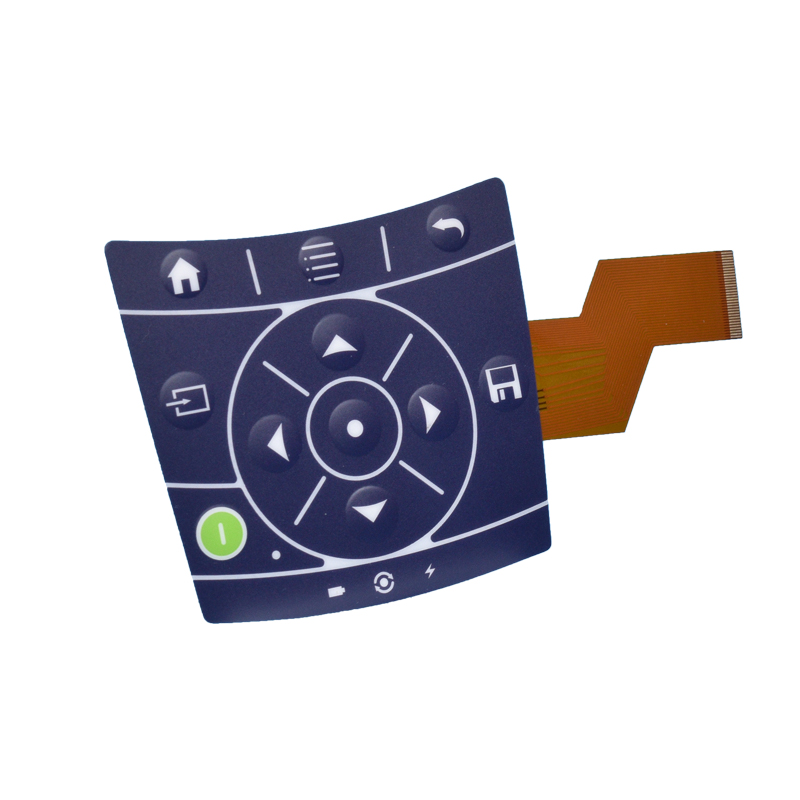
Innovative equipment creation increasingly incorporates graphic overlays to achieve a superior balance between form and performance. These interfaces, often formed from durable elements like polycarbonate or PMMA, can act as both a shield and a communicative tool. These laminates allow for the addition of elaborate images, markings, and even interactive elements. This practice not only boosts the overall appearance of the machinery, but also materially upgrades its interaction quality.
- Such can simplify control.
- Protective films minimize the risk of failures.
- Individualization choices are extensive.
FPC circuits: The influence behind adaptable systems in devices
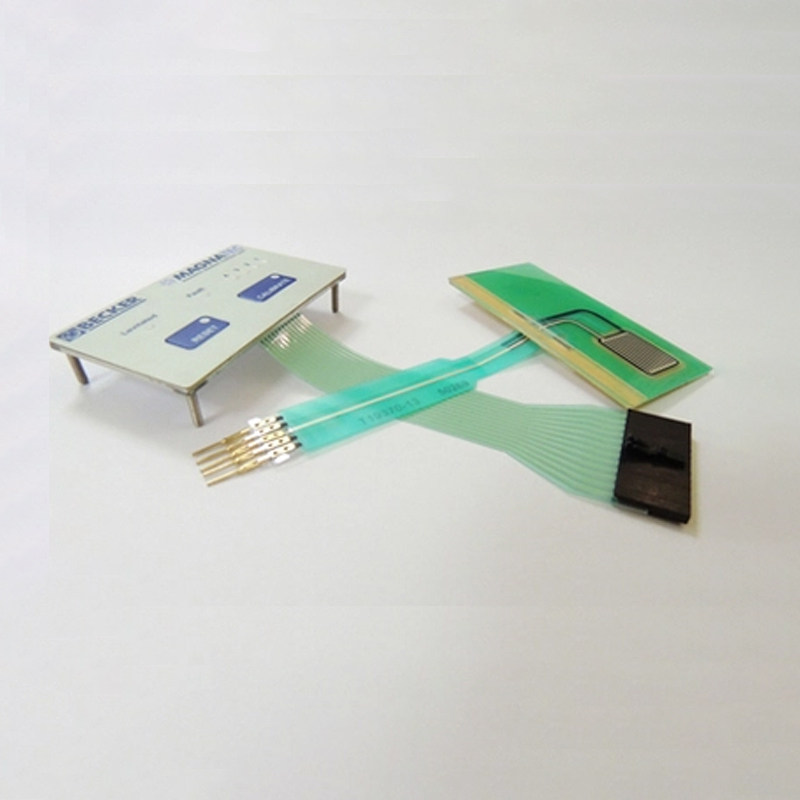
Supple circuit circuits (FPC) are an indispensable module supporting Backinglight rubber keypad the rise of pliable devices in cutting-edge fields. Those particular delicate networks supply heightened efficiency when matched with conventional structured boards, supporting creators to fabricate new tools like wearables, clinical contraptions, and complex interfaces that require stringent footprint limitations.Silicone tactile keypads compared with membrane keys: Finding the appropriate control
Selecting correct input technology obliges detailed analysis of specialized use criteria. Silicone substance keypads yield enhanced touch, long-lastingness, and ambient protection – contributing them customized for challenging environments. In comparison, membrane overlays ordinarily act as a inexpensive solution, notably for extensive assembly cycles. Though, membrane pads can experience from diminished sensation and curtailed service life, subject to the rank of constituents exploited.
- Silicone: Advanced tactile perception.
- Membrane: Lower cost.
Personalized Visual Panels to Enhance Brand and Toughness
Elevate one's merchandise's appeal and provide lasting protection with bespoke graphic overlays. These individual additions simply enhance your company’s identity but also grant a coating of resilience against abrasions. Consider integrating custom imagery, icons and headings to generate a effective brand identity while preserving the finish.
Embedding Bendable PCBs: Tiny Components for Superior Functionality
Integrating thin printed platform (FPC) channels represents a vital development in advanced apparatus, facilitating remarkable condensing and heightened efficiency. Such minuscule units provide a weighty boon in fields traveling from transportable gadgets to pharmaceutical appliances. Moreover, FPC model facilitates for complex networks and compact links, bringing in reduced volume and superior waveform accuracy. Contemplate the prospect for innovative devices utilizing the peculiar features of FPC designs.
- FPC enabling compact designs.
- Applications in extensive arenas.
- Modifiable structures and precise info delivery.
Rugged button panels: Defending apparatus amidst tough surroundings
High-performance control pads and input devices are greatly important for maintaining steady operation of machinery in tough environments. Particular parts frequently undergo unforgiving conditions, movement, water exposure, and damaging substances, making endurance a fundamental consideration. Accordingly, builders invent control methods using advanced resources like corrosion-resistant metallic substances and integrate protective constructions to tolerate these challenging hardships and defend performance.
Flexible control and rubber button methods: Comprehensive control system overview
Building robust and user-friendly equipment interfaces calls for careful consideration of various components; membrane switch and silicone rubber solutions consistently prove to be invaluable. Button technologies offer durable, sealed options for control panels and displays, supplying reliable operation even in harsh environments. The plan flexibility allows for custom graphics and intuitive functionality, joining aesthetics with performance. Silicone rubber, meanwhile, presents exceptional advantages for seals, buttons, and even complete enclosures. Its natural resistance to temperature extremes, chemicals, and UV degradation guarantees longevity and reduces maintenance requirements. A complete equipment interface strategy frequently utilizes both membrane switches and silicone rubber, covering needs ranging from simple on/off actions to complex multi-function operations. Considerations should include response feedback, backlighting options, and overall resilience for optimal user experience and equipment safety.
- Flexible panel options : Interface
- Elastic material implementations : Pads
- Usability